
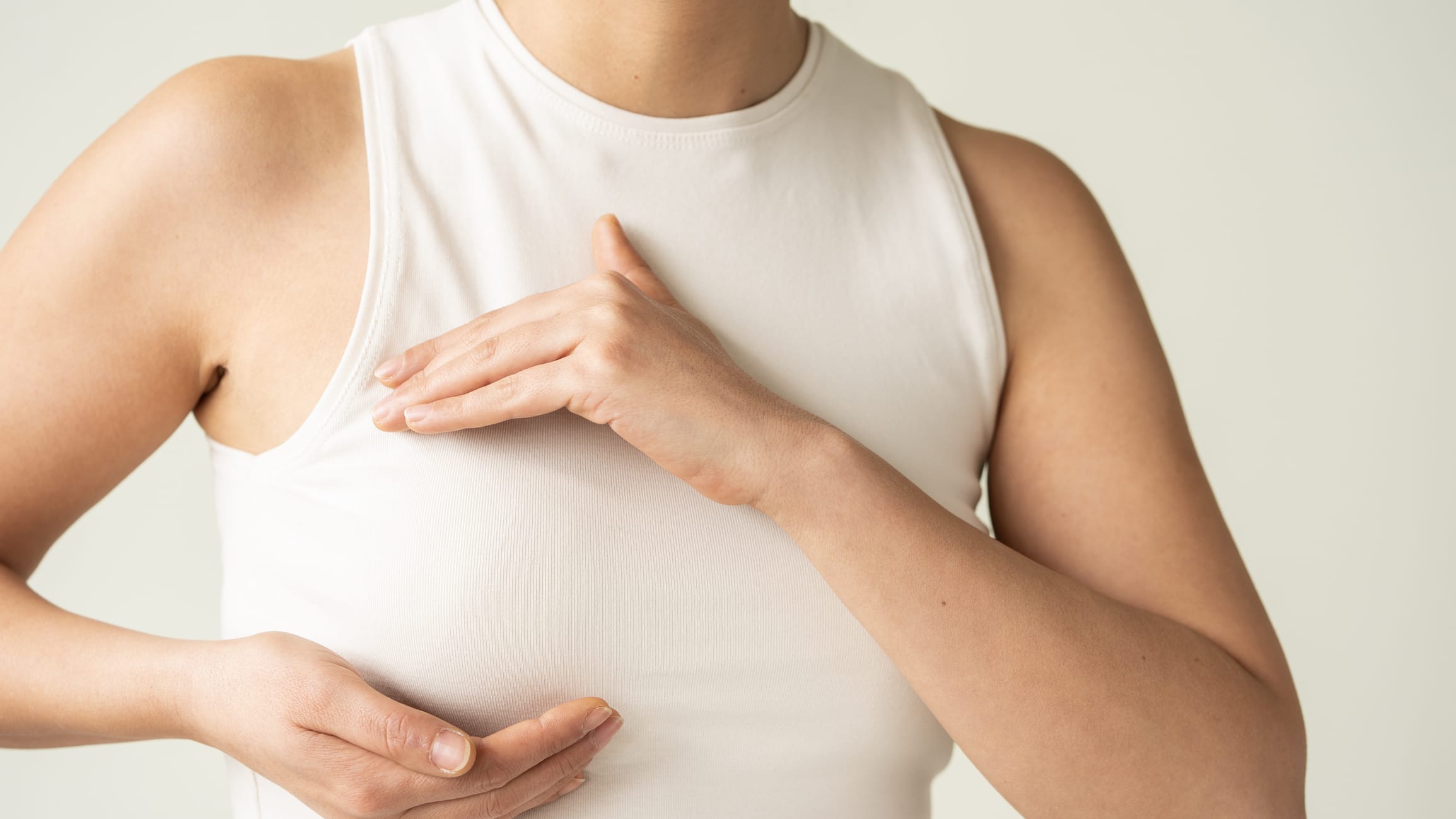
Breast implants typically take three to six months to settle into their final position, a process often called "drop and fluff." Until then, implants can look high, firm, or slightly square, which is a normal part of healing after breast augmentation in Austin and everywhere else, according to the American Society of Plastic Surgeons.
Breast augmentation remains one of the most requested cosmetic surgeries nationally. The ASPS reports that augmentation and implant revision grew 11% in 2025, reaching 304,234 procedures. The surgeons at Austin Face & Body, including Dr. Chris Schneider, guide patients through each stage of recovery. This guide covers what to expect, week by week.
What drop and fluff involves:
- Dropping: Implants move lower on the chest as tight muscle and skin relax.
- Fluffing: The lower part of the breast fills out and softens.
- Timing: Most of the change happens over three to six months.
- Variation: Pace differs from person to person.
What Does "Drop and Fluff" Mean After Breast Augmentation?
"Drop and fluff" describes implants settling into place after surgery. Immediately afterward, implants may ride high and look flat or slightly square because the surrounding skin and muscle are tight. As that tightness relaxes, implants move lower, and the breasts become rounder and softer.
Swelling adds to the early firmness. Initial swelling and bruising typically ease within one to two weeks, but the full settling process continues well beyond that. Implants may appear to change shape several times along the way, which is expected.
Breast Implant Settling Timeline: Week 1 to Month 6
The timeline below shows typical stages. Every patient heals at a different pace. Dr. Schneider adjusts guidance to each individual.
- Week 1: Swelling and bruising are at their most noticeable. Implants sit high and feel firm.
- Week 2: Swelling begins to ease, and muscles start to relax. Implants may begin to shift downward slightly.
- Weeks 4 to 6: Breasts continue to soften and settle. Many patients are cleared for more activity during this window, depending on the surgeon's instructions.
- Month 3: Implants are usually much closer to their final position, though some firmness or height may remain.
- Month 6: Settling is typically complete, and the final shape and softness are visible.
Does Implant Placement Change How Fast Implants Drop?
It can. When implants are placed partly or fully beneath the chest muscle, as in dual-plane or submuscular placement, muscle tightness is a primary reason implants sit high early on. Over-the-muscle placement does not involve that muscle tension, so settling depends more on the skin and breast tissue.
Implant characteristics matter too. According to ASPS, smaller, lighter implants may take longer to drop than heavier ones, and textured implants may settle more gradually than smooth ones.
What's Normal vs. When to Call Your Surgeon After Breast Augmentation
Mild asymmetry, tightness, and implants that look high are normal in the first weeks, and they usually improve as healing progresses. Breasts rarely settle at the same rate, so one side may look different from the other for a while.
Contact your surgeon's office promptly if you notice any of the following:
- Sudden or rapidly increasing swelling on one side
- Pain that is worsening instead of easing
- Signs of infection, such as fever, spreading redness, or warmth
- An implant that sits very low or seems to be moving past the fold (bottoming out)
- A visible second crease below the breast (double bubble)
- An implant that remains very high well after three to six months
How to Support Healing After Breast Augmentation in Austin: Bras, Massage, Sleep, and Activity
Following your surgeon's aftercare instructions is the most effective way to support healing. Little can speed up drop and fluff, but good recovery habits reduce the risk of complications. Common guidelines include:
- Avoiding strenuous activity until cleared
- Wearing a compression garment or the bra your surgeon recommends
- Caring for incisions as directed
- Avoiding tobacco and excessive alcohol
- Attending every follow-up appointment
Surgeons commonly ask patients to sleep on their back with the upper body slightly elevated in the early weeks, which keeps pressure off the incisions and the healing implant pocket. The duration varies with the type of procedure, implant placement, and each patient's healing.
Two kinds of massage come up after breast augmentation, and they serve different purposes:
- Implant displacement massage involves gently moving the implant within its pocket, and some surgeons recommend it while others do not
- A trained therapist performs lymphatic massage to support fluid drainage and ease swelling
Do not begin either one until your surgeon clears it, because the right approach depends on the implant type and placement.
When Will My Breast Augmentation Results Look Final?
Final results are typically visible three to six months after surgery, once swelling has resolved, and implants have settled. Scars continue to mature after that, and the shape you see at six months is usually the shape you will keep.
Settling is not the end of follow-up. The FDA notes that breast implants are not lifetime devices and recommends regular screening for silicone implants to detect silent ruptures. According to ASPS, the FDA's 2020 guidance calls for an ultrasound or MRI beginning 5 to 6 years after silicone implant placement, then every 2 to 3 years.
Questions About Breast Augmentation Recovery in Austin? Our Team Is Here to Answer Them All
Drop and fluff is a gradual process, and knowing the stages makes the wait easier. At Austin Face & Body, Dr. Schneider is board-certified by the American Board of Plastic Surgery.
If you are planning breast augmentation or have questions about your recovery, schedule a consultation with our team. Visit our breast surgery page to explore your options.
Disclaimer: This information is provided for educational purposes only and does not replace a consultation with a board-certified plastic surgeon. Outcomes, risks, and suitability vary from patient to patient.
Sources
- American Society of Plastic Surgeons. What does "drop and fluff" mean after breast augmentation?
- American Society of Plastic Surgeons. Breast surgery in 2025: Evolving aesthetics.
- U.S. Food and Drug Administration. What to Know About Breast Implants.
- American Society of Plastic Surgeons. Few Patients Undergo Recommended MRI Screening After Silicone Implant Breast Surgery.